

The Deep Cooking Era
The Deep Cooking Era
Date: February 28,2022 - h 16.45 (Italian time)Where: Aula Rostagni, Physics and Astronomy Dept
At Unox we have always been at the cutting edge of innovation in our market. We have developed many breakthrough solutions to control the exchange heat with food, move air, generate and remove steam inside the cooking chamber. Everyday we focus our efforts in investigating more efficient algorithms to precisely control the cooking processes. During the last five years we have been pushing the transition from building mere mechanical products, to smart and scalable digital solutions. To accomplish this revolution, we still need to find answers to many complex questions, such as: which are the biggest challenges in the future of the food equipment global market? How innovative sensors help to understand food properties? How can AI boost the performances and the reliability of the cooking processes? How will robotics shape the next generation cooking equipment? These and many more questions which we aspire to address with the amazing team which we are building.
conference speaker
Mario Cammarota
I joined Unox in 2013 after a Master’s Degree in Physics and a PhD in Neurobiology at the University of Padua where I developed mathematical models and innovative experimental approaches to study neuronal networks in physiopatology.
At Unox I lead a team whose mission is to design and to develop smart cooking appliances for the most demanding professional catering market. We think about food as soft matter which is transformed by the cooking processes. The starting point of our research activity is the scientific study of the physical and chemical reactions that modify the organoleptic properties of the food and aims to develop all the technology needed to master these reactions in the most autonomous, efficient and reliable way.


The Interface between Artificial Intelligence and the Social Sciences - and Why it Matters
The Interface between Artificial Intelligence and the Social Sciences - and Why it Matters
Date: November 5,2021 - h 14.30 (Italian time)Where: Aula Rostagni, Physics and Astronomy Dept
The ‘secret sauce’ that made AI successful contains an important ingredient: vast samples of human behavior. From those, machine learning algorithms can extract the statistical rules that guide their own behavior: rules for recommendations, translations, image analysis, and more. Recently there have been concerns about subtle biases that might be found in AI agents, and some may be tracked just to the data that was used to train them, as well as to the fact that these agents are ‘unreadable’ to humans. Understanding the biases that are found in media content is important, as this is often what is used to teach machines to understand language. More generally, we need to understand the interface between AI and society if we want to live safely with intelligent machines.
conference speaker
Nello Cristianini
Nello Cristianini is Professor of Artificial Intelligence at the University of Bristol. His research covers machine learning methods, and applications of AI to the analysis of media content, as well as the social and ethical implications of AI. Cristianini is the co-author of two widely known books in machine learning, as well as a book in bioinformatics. He is a recipient of the Royal Society Wolfson Research Merit Award, and of a European Research Council Advanced Grant. Before joining the University of Bristol, he has been a professor of statistics at the University of California, Davis. Currently he is working on social and ethical implications of AI. His animated videos dealing with the social aspects of AI can be found here: https://www.youtube.com/seeapattern

Le sfide del Garante: i nodi della privacy visti da chi la tutela
Le sfide del Garante: i nodi della privacy visti da chi la tutela
Live: December 4, 2020 - h. 14.30 (Italian time)
Quali sono le sfide principali che la tutela della privacy vive oggi di fronte alle nuove tecnologie? Il Vicepresidente del Garante per la protezione dei dati personali offrirà una panoramica dei temi più caldi, per poi affrontarne alcuni in particolare.
The seminar will be live-streamed on You Tube at "Aula Rostagni UniPadova DFA"
conference speaker

Ginevra Cerrina Feroni
Vicepresidente del Garante per la protezione dei dati personali, è professore ordinario di Diritto pubblico comparato presso l’Università di Firenze. Componente del Direttivo scientifico di numerose riviste scientifiche, membro del Direttivo dell’Associazione Italiana di Diritto Pubblico Comparato, ha fatto parte della Commissione degli esperti nominata dal Governo nel giugno 2013 per la riforma della Costituzione. È editorialista delle testate Il Dubbio, Il Giornale e il Corriere fiorentino. Ha collaborato al Corriere della Sera e al Messaggero.
AI and Legal Interpretation
AI and Legal Interpretation
Live: December 2, 2020 - h. 17:00 pm (Italian time)
How judges and lawyers figure out what a word means within a legal text? This has always been a thorny question. Among various patterns of legal interpretation, the corpus linguistics approach is a rising one. It exploits big data to understand the ordinary meaning of a word for legal purposes.
The seminar will be live-streamed on You Tube at "Aula Rostagni UniPadova DFA"
conference speaker

James Heilpern
James Heilpern is a pioneer in the emerging discipline of Law & Corpus Linguistics. A sought after speaker for judicial education and CLE courses, he has personally trained judges and clerks on four U.S. Circuit Courts of Appeal, one U.S. district court, and eight state supreme courts, as well as dozens of practicing attorneys around the country. As an academic at BYU Law, he helped shape the legal theory undergirding this new discipline, authoring numerous influential law review articles in top journals. Now, as president of Corpus Legal Services he empowers others–through training and consulting services–to harness the power of big data and gain the upper hand in cases ranging from constitutional questions to trademark disputes.
The Moral Machine Experiment
The Moral Machine Experiment
Live: November 10, 2020 - h. 17:00 pm (Italian time)
I describe the Moral Machine, an internet-based serious game exploring the many-dimensional ethical dilemmas faced by autonomous vehicles. The game enabled us to gather 40 million decisions from 3 million people in 200 countries/territories. I report the various preferences estimated from this data, and document interpersonal differences in the strength of these preferences.
I also report cross-cultural ethical variation and uncover major clusters of countries exhibiting substantial differences along key moral preferences. These differences correlate with modern institutions, but also with deep cultural traits. I discuss how these three layers of preferences can help progress toward global, harmonious, and socially acceptable principles for machine ethics. Finally, I describe other follow up work that build on this project.
The seminar will be live-streamed on You Tube at "Aula Rostagni UniPadova DFA"
conference speaker
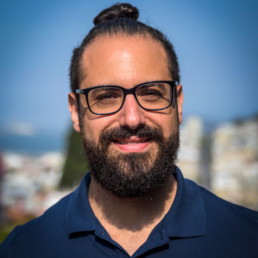
Edmond Awad
Lecturer (Assistant Professor) in the Department of Economics and the Institute for Data Science and Artificial Intelligence at the University of Exeter. He is also an Associate Research Scientist at the Max Planck Institute for Human Development, and is a Founding Editorial Board member of the AI and Ethics Journal, published by Springer. Before joining the University of Exeter, Edmond was a Postdoctoral Associate at MIT Media Lab (2017-2019). In 2016, Edmond led the design and development of Moral Machine, a website that gathers human decisions on moral dilemmas faced by driverless cars. The website has been visited by over 4 million users, who contributed their judgements on 70 million dilemmas. Another website that Edmond co-created, called MyGoodness, collected judgements over 2 million charity dilemmas. Edmond’s work appeared in major academic journals, including Nature, PNAS, and Nature Human Behaviour, and it has been covered in major media outlets including The Associated Press, The New York Times, The Washington Post, Der Spiegel, Le Monde and El Pais. Edmond has a bachelor degree (2007) in Informatics Engineering from Tishreen University (Syria), a master’s degree (2011) in Computing and Information Science and a PhD (2015) in Argumentation and Multi-agent systems from Masdar Institute (now Khalifa University; UAE), and a master’s degree (2017) in Media Arts and Sciences from MIT. Edmond’s research interests are in the areas of AI, Ethics, Computational Social Science and Multi-agent Systems.
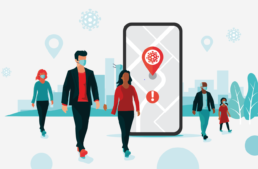
The Role of Law, Norms, and Technology in Contact Tracing
The Role of Law, Norms, and Technology
in Contact Tracing
Join us for a roundtable discussion of these topics with Lamberto Ballan (University of Padua), Andrea Pin (University of Padua), Elisa Spiller (University di Padova), Felicia Caponigri (Notre Dame Law School), Kirsten Martin (Notre Dame Mendoza College of Business), Mark McKenna (Notre Dame Law School) and Prof. Giuseppe Sartori (General Psychology Dept., University of Padova).
Live: July 22, 2020 - h. 16:00 pm (Italian time)
Italy’s suffering and courage in the face of the coronavirus pandemic were evident to an American audience earlier this Spring. As time has progressed, the country has passed the curve’s peak and is now reopening and entering a new normal and rhythm of daily life. Part of the daily changes includes the use of a new contact tracing app, “Immuni”, developed by a private company and promoted by the Italian government. The app’s development has been shaped by EU privacy law and Italian law, and the country is currently affronting how to use it effectively. Central to this use are questions of efficacy and privacy, compliance, and even cultural norms. Within the parameters of privacy, fundamental rights, and cultural habits, can Immuni be effective? What role might law, and the technology it shapes, continue to have in our fight against the coronavirus?
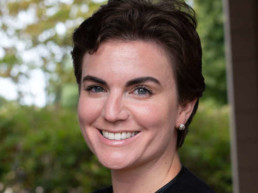
Felicia Caponigri
Program Director, Program on Intellectual Property & Technology Law
Acting Director, International and Graduate Programs
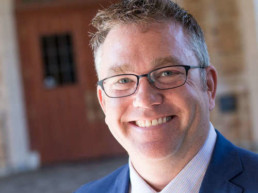
Mark McKenna
John P. Murphy Foundation Professor of Law
Director, Notre Dame Technology Ethics Center
Director, Program on Intellectual Property & Technology Law
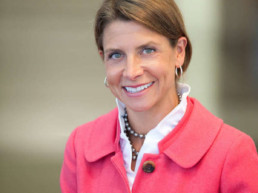
Kirsten Martin
Lindner-Gambal Associate Professor of Business Ethics and chair of the Strategic Management and Public Policy Department at the George Washington University’s School of Business
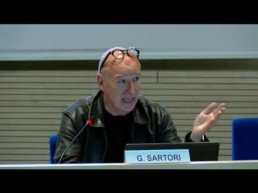
Giuseppe Sartori
Neural basis of intentions and conscious decisions. Memory detection and the Implicit Association Test. Child testimony. Malingering. Natural capacity Parenting. Psychopathy and behavioural genetics. Mental insanity and reduced capacity.

COVID-19, A.I.,Apps, and Fundamental Rights: A Transatlantic Dialogue
COVID-19
A.I.,Apps, and Fundamental Rights: A Transatlantic Dialogue
Live: May 5, 2020 - h. 17:00 pm
The seminar will be live-streamed on You Tube at "Aula Rostagni UniPadova DFA"
Fighting the pandemic is pitting health and privacy against each other in largely unprecedented ways. A conversation between two prominent legal thinkers will compare the approaches to contact tracing apps and mass surveillance in the United States and the European Union.
We will begin the seminar by asking our guests the following questions:
Within the West, many countries and supranational legal systems are struggling to find ways to reconcile the fight against the COVID-19 with the needs of preserving fundamental rights, such as privacy, mobility, etc. A lot of debates revolve around the deployment of AI-based technologies, which track down people and contagion, as they would make extreme physical constraints, such as lockdowns, unnecessary. What are the main legal issues within the EU and the U.S. that such possibilities need to face?
As we expect that the virus will stay with us for long, we are likely to need digital tools for long as well. Once the Schengen treaty returns in full force and EU citizens resort to moving quite freely within EU territories, the apps we are thinking of will ensure inter-state tracing? Is the US facing with analogous issues of decentralization?
It is rather frequent to hear the opinion that we are overestimating the issues of privacy, given the importance of health. Moreover, it is common parlance that the big tech companies already know so much about us, that is paradoxical to fear the Government and massive utilization of data to fight the virus. Are privacy issues almost fictional, in light of the tech giants’ omnipotence?
conference speaker
Woodrow Hartzog
Professor of Law, Northeastern University, Boston
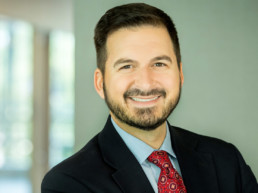
Oreste Pollicino
Professor of Law, Bocconi University, Milano

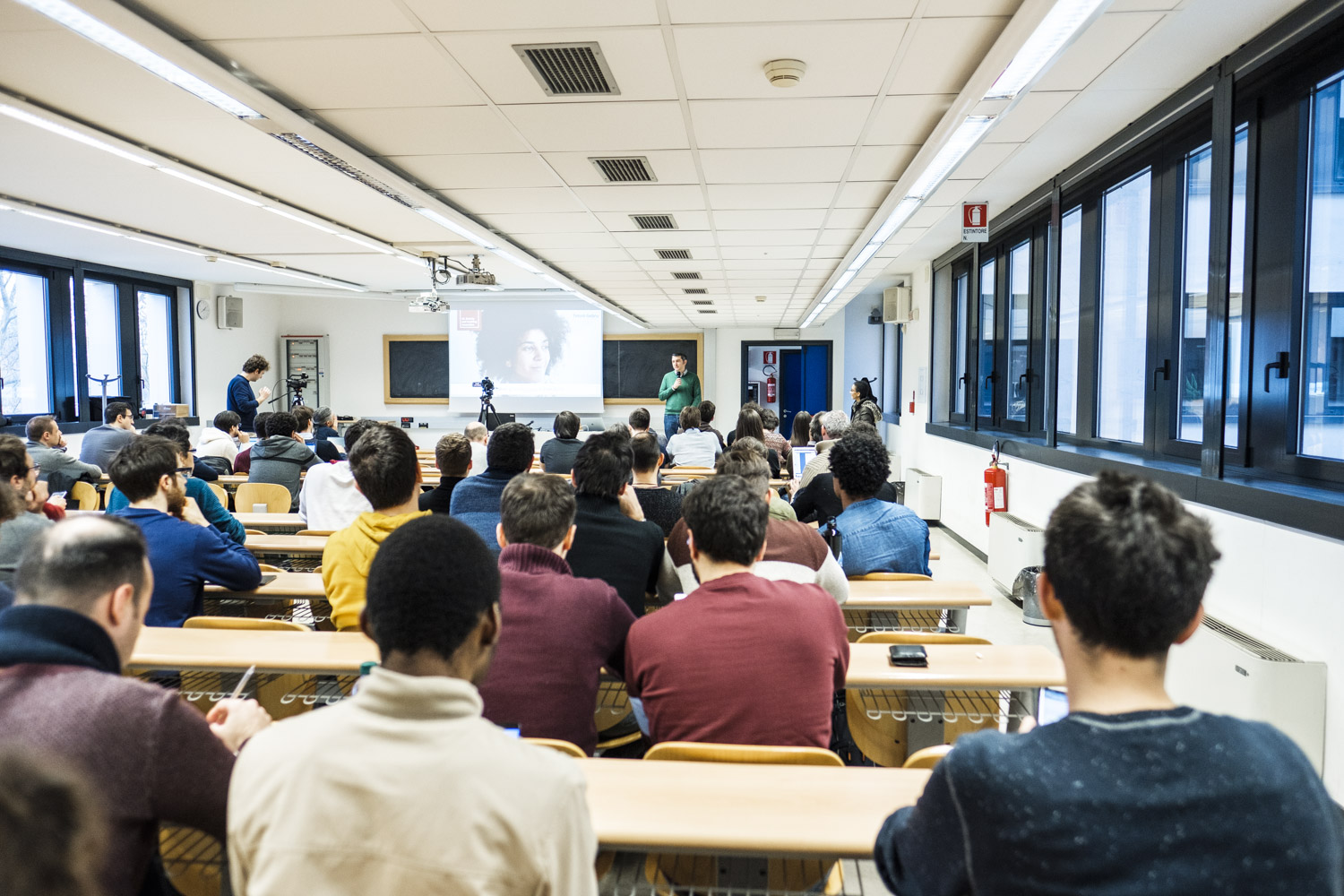
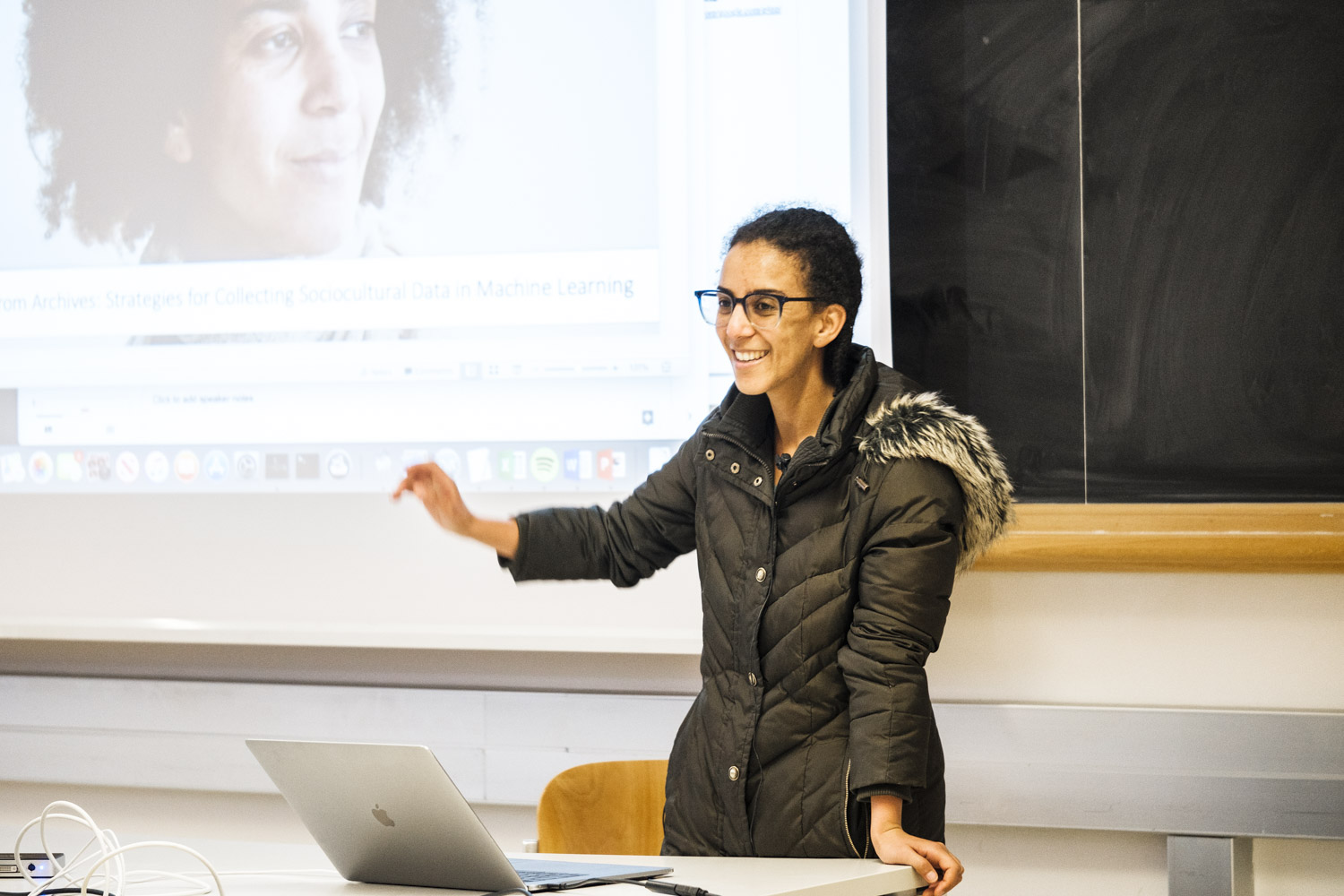
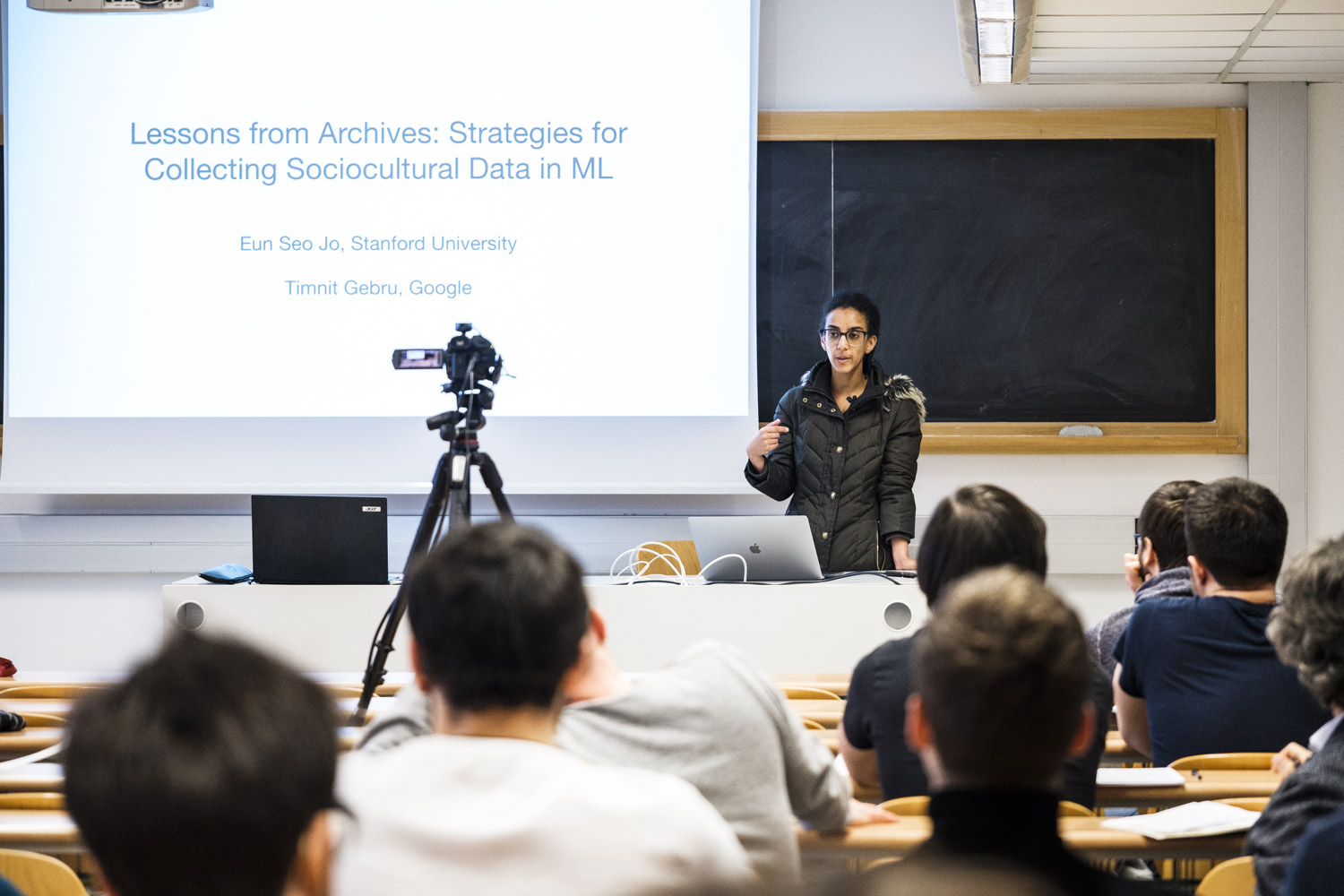
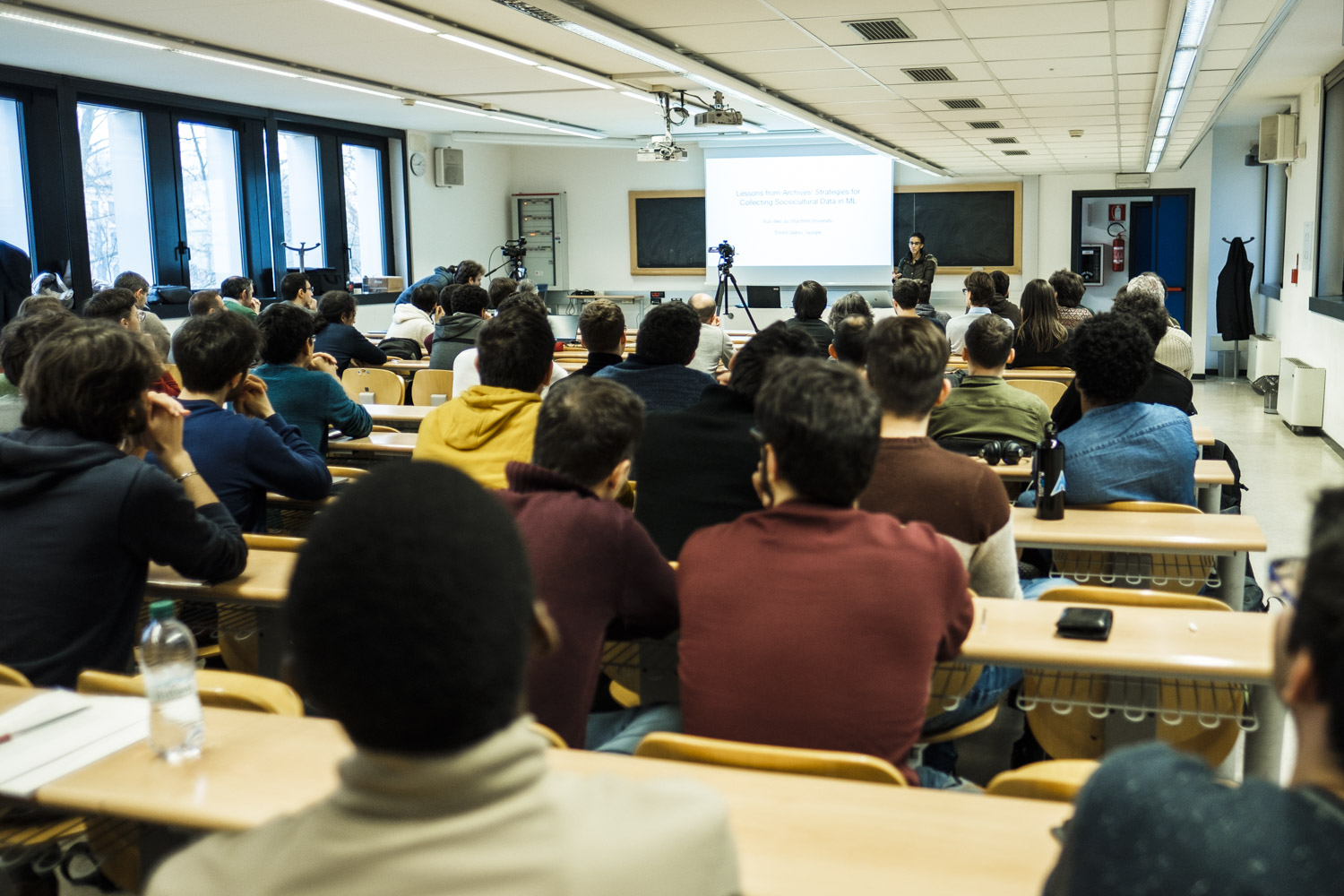
Lessons from Archives: Strategies for Collecting Sociocultural Data in ML
Algorithmic Bias and Fairness
Strategies for Collecting Sociocultural Data in Machine Learning
WHEN: Monday 3 February 2020 at 1.30 pm
WHERE: Aula 1A150, Math Dept. "T. Levi-Civita"
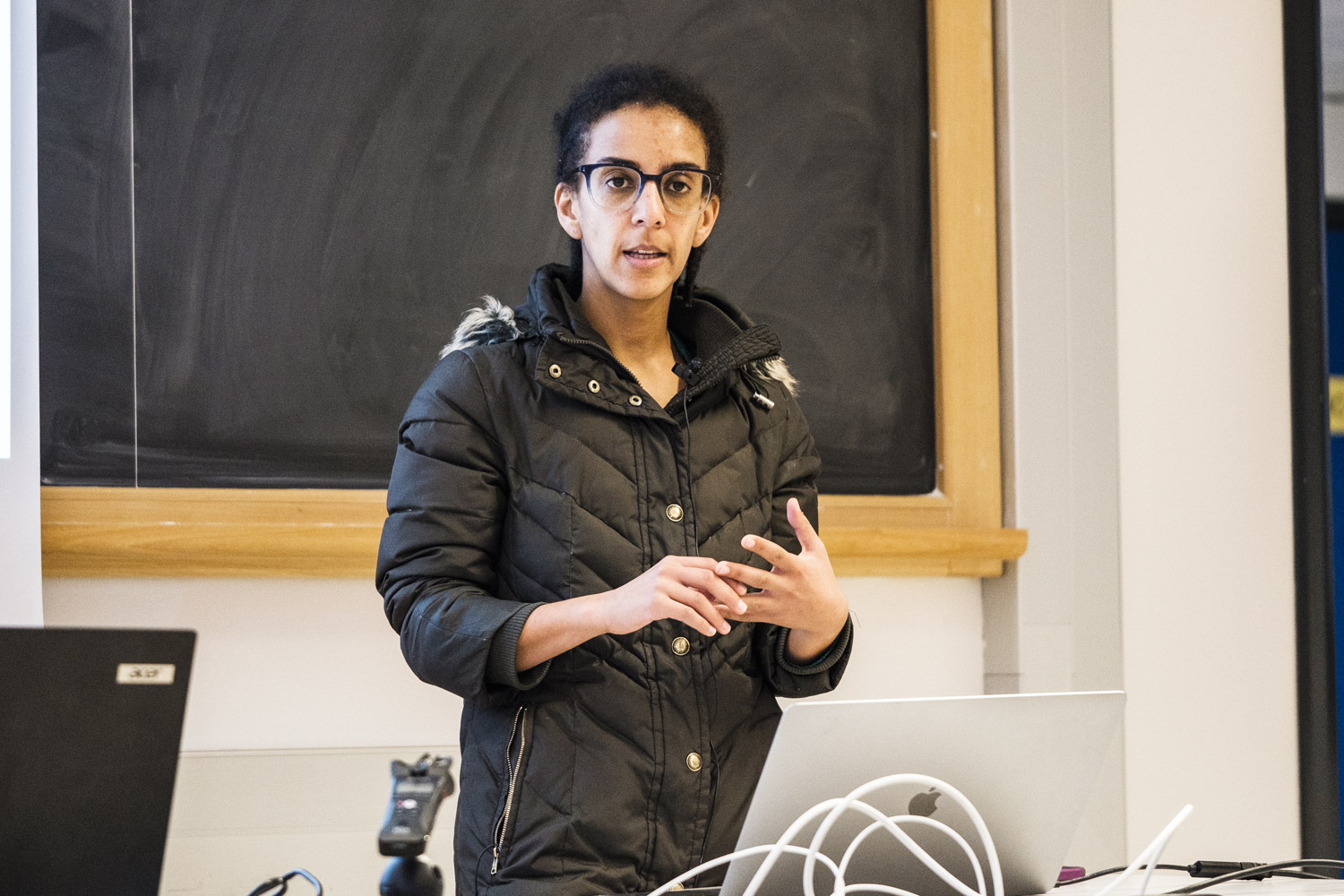
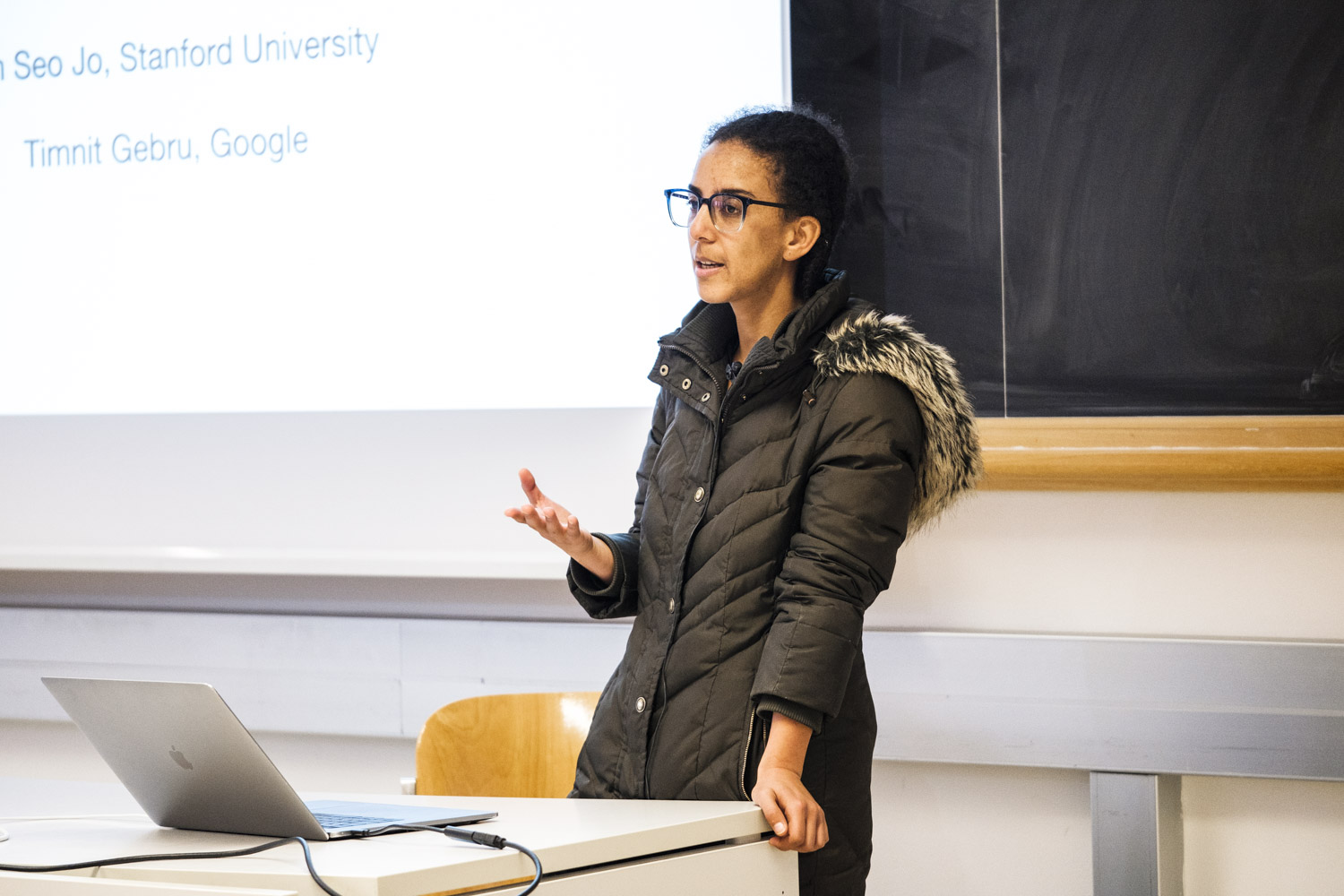
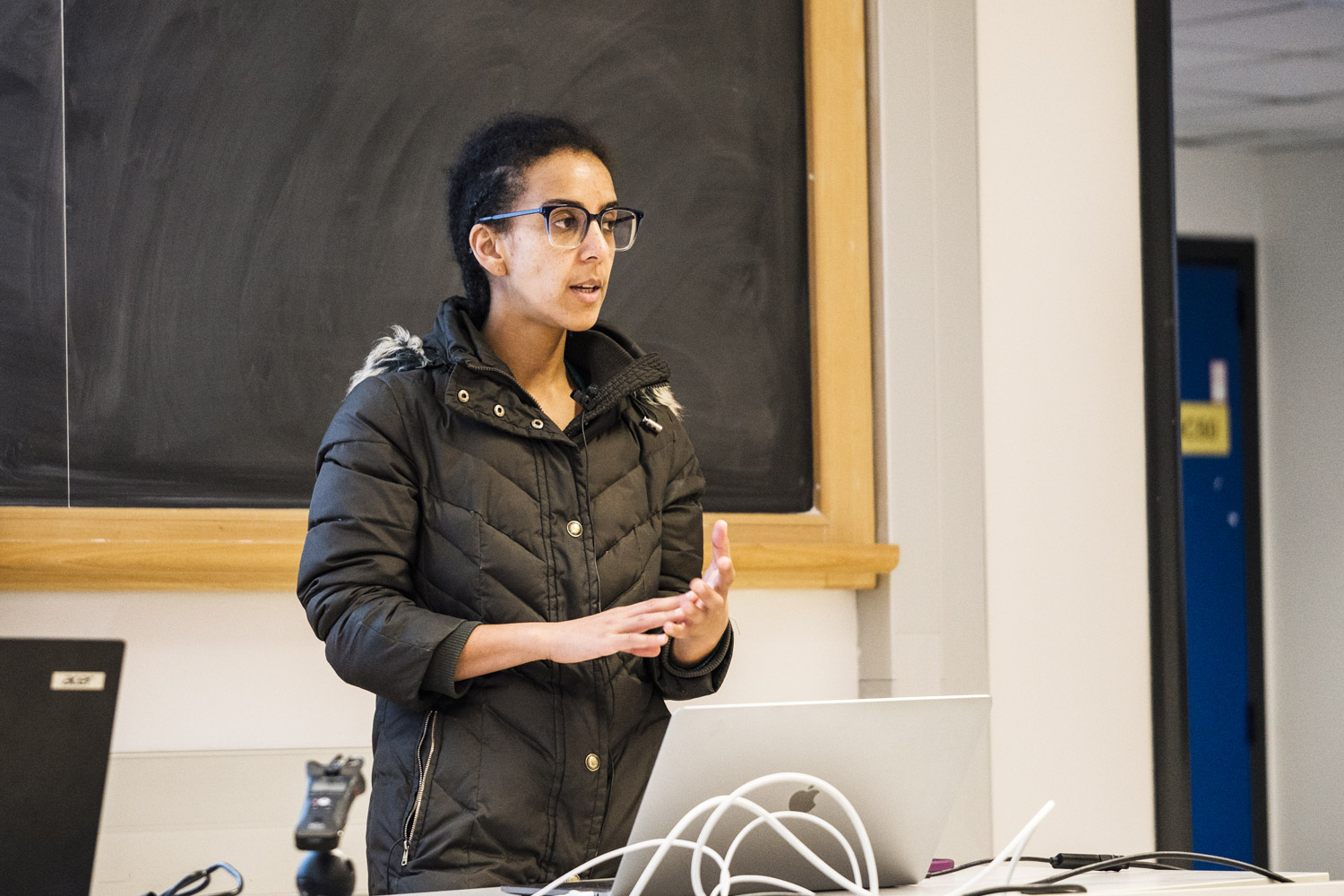
A growing body of work shows that many problems in fairness, accountability, transparency, and ethics in machine learning systems are rooted in decisions surrounding the data collection and annotation process. We argue that a new specialization should be formed within machine learning that is focused on methodologies for data collection and annotation: efforts that require institutional frameworks and procedures. Specifically for sociocultural data, parallels can be drawn from archives and libraries.
Archives are the longest standing communal effort to gather human information and archive scholars have already developed the language and procedures to address and discuss many challenges pertaining to data collection such as consent, power, inclusivity, transparency, and ethics privacy. We discuss these five key approaches in document collection practices in archives that can inform data collection in sociocultural machine learning.
conference speaker
Timnit Gebru
Timnit Gebru is the technical co-lead of the Ethical Artificial Intelligence Team at Google. She works on algorithmic bias and data mining. Timnit earned her doctorate under the supervision of Fei-Fei Li at Stanford University in 2017. She is an advocate for diversity in technology and is the cofounder of Black in AI, a community of black researchers working in artificial intelligence.
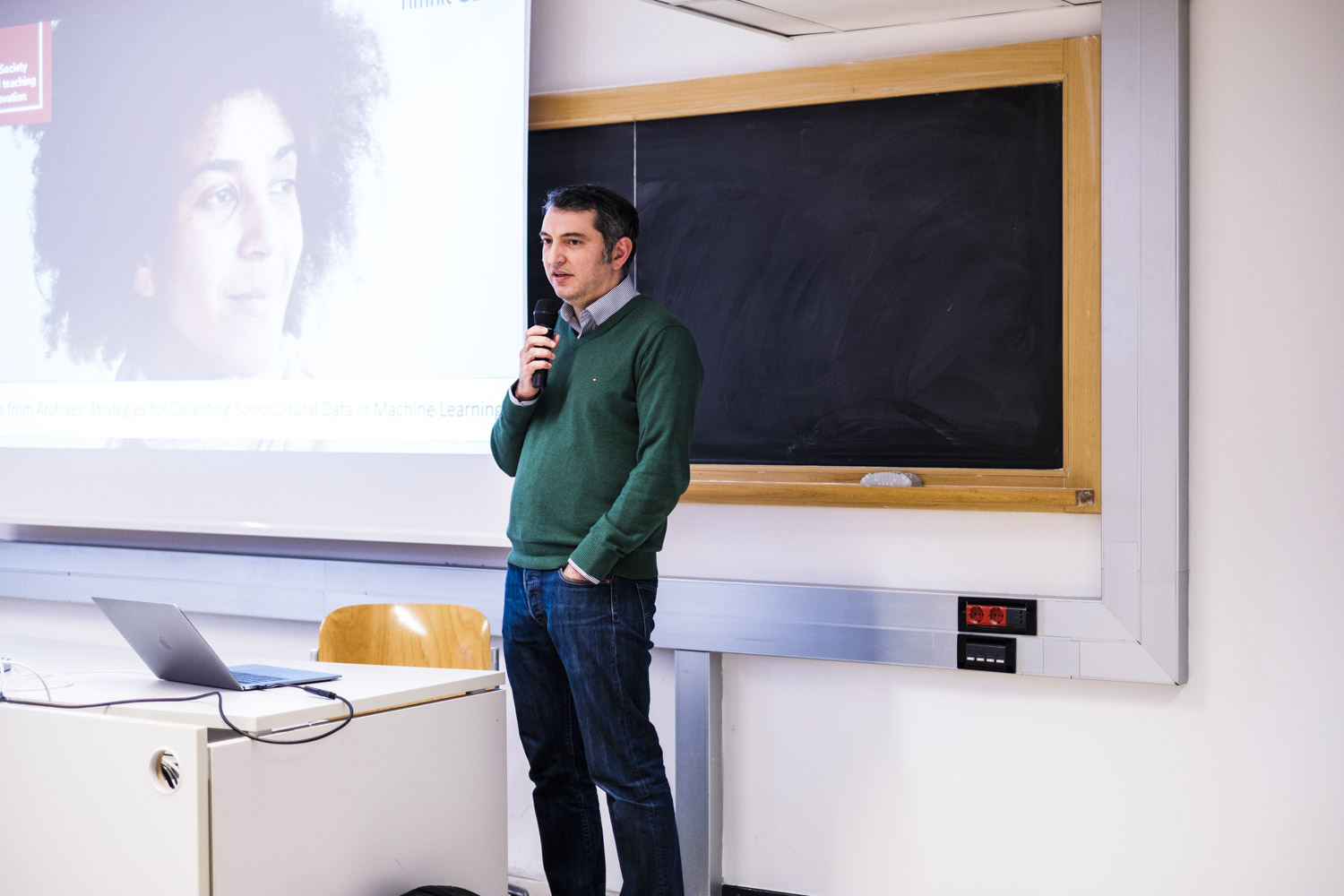
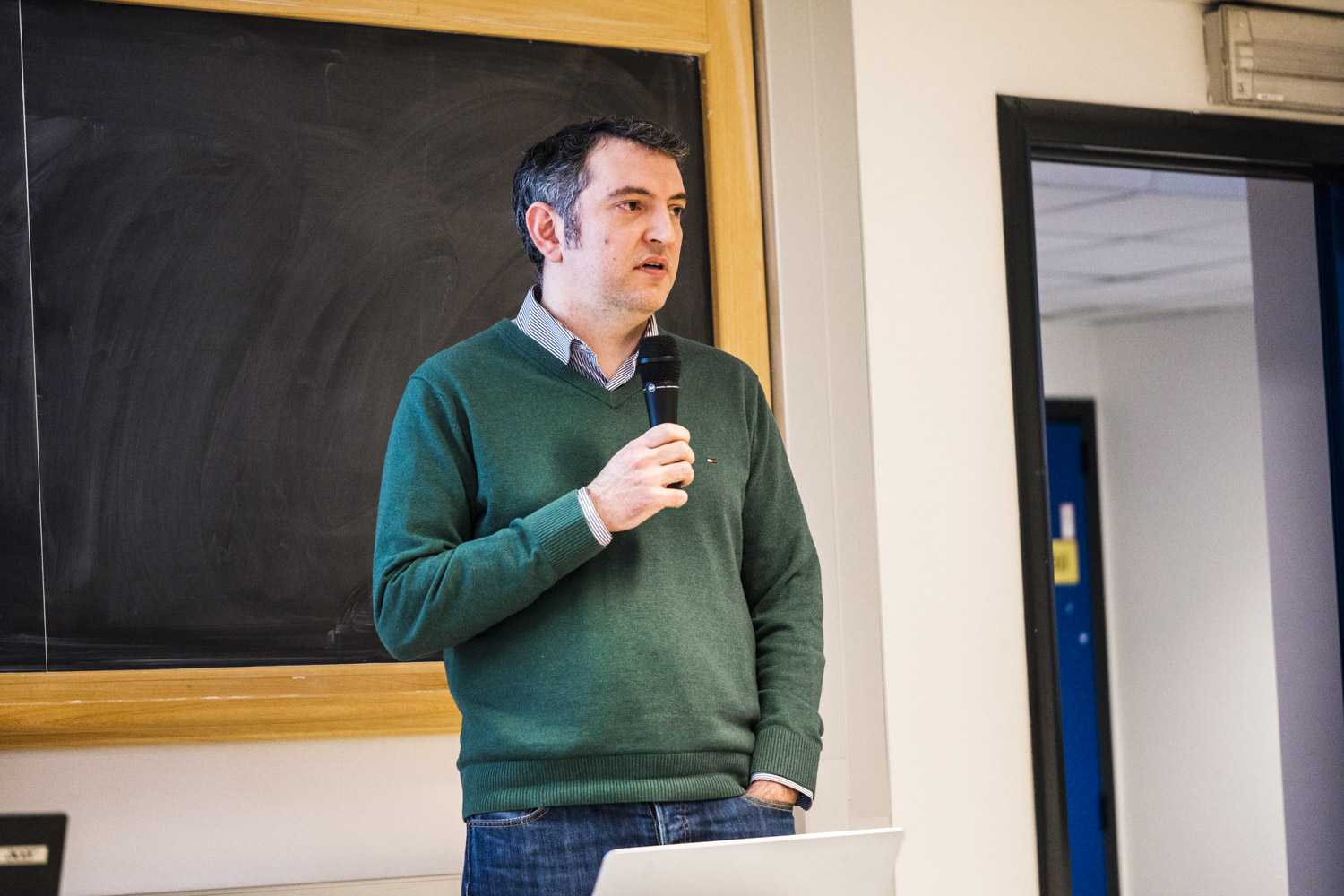
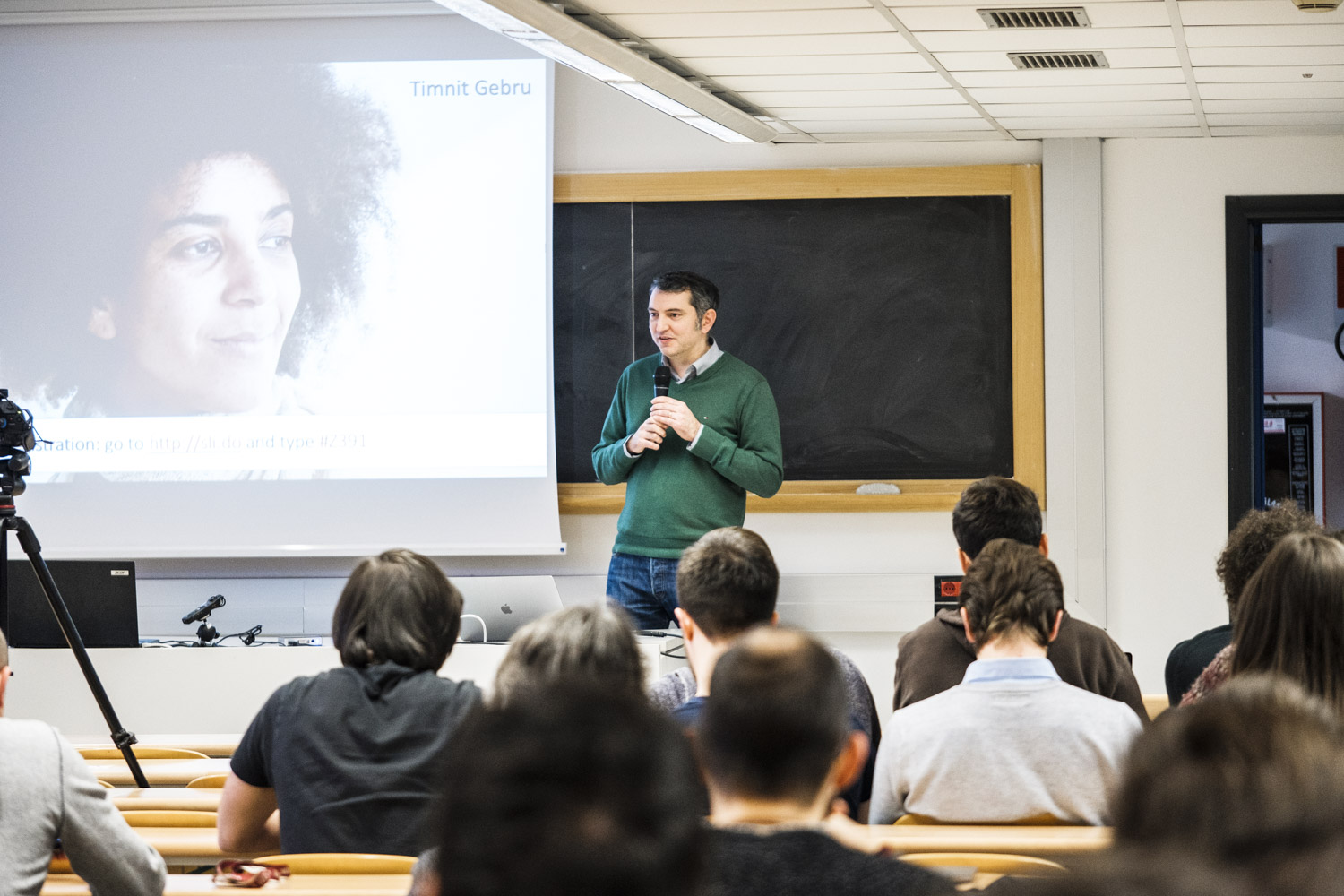

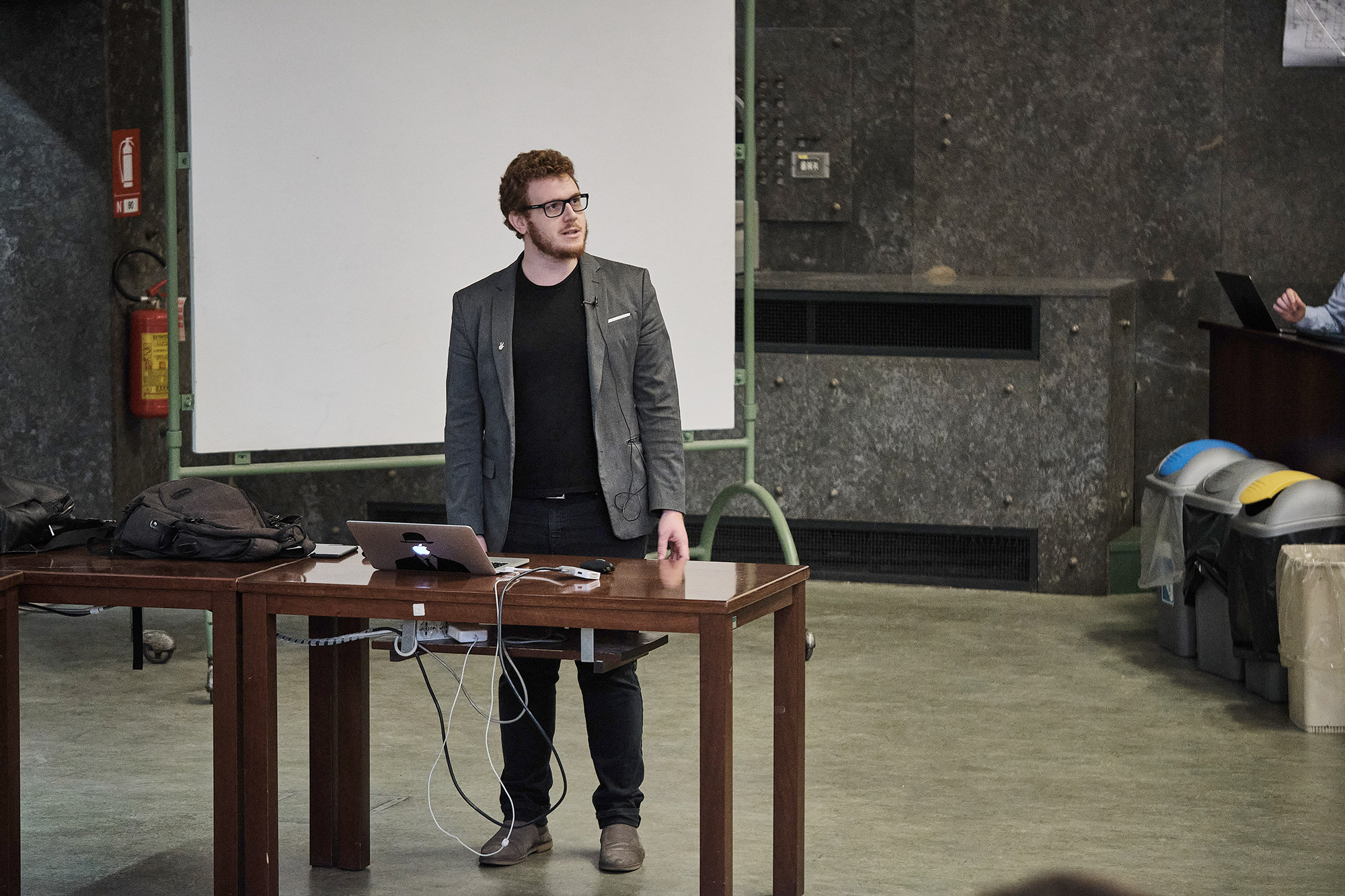
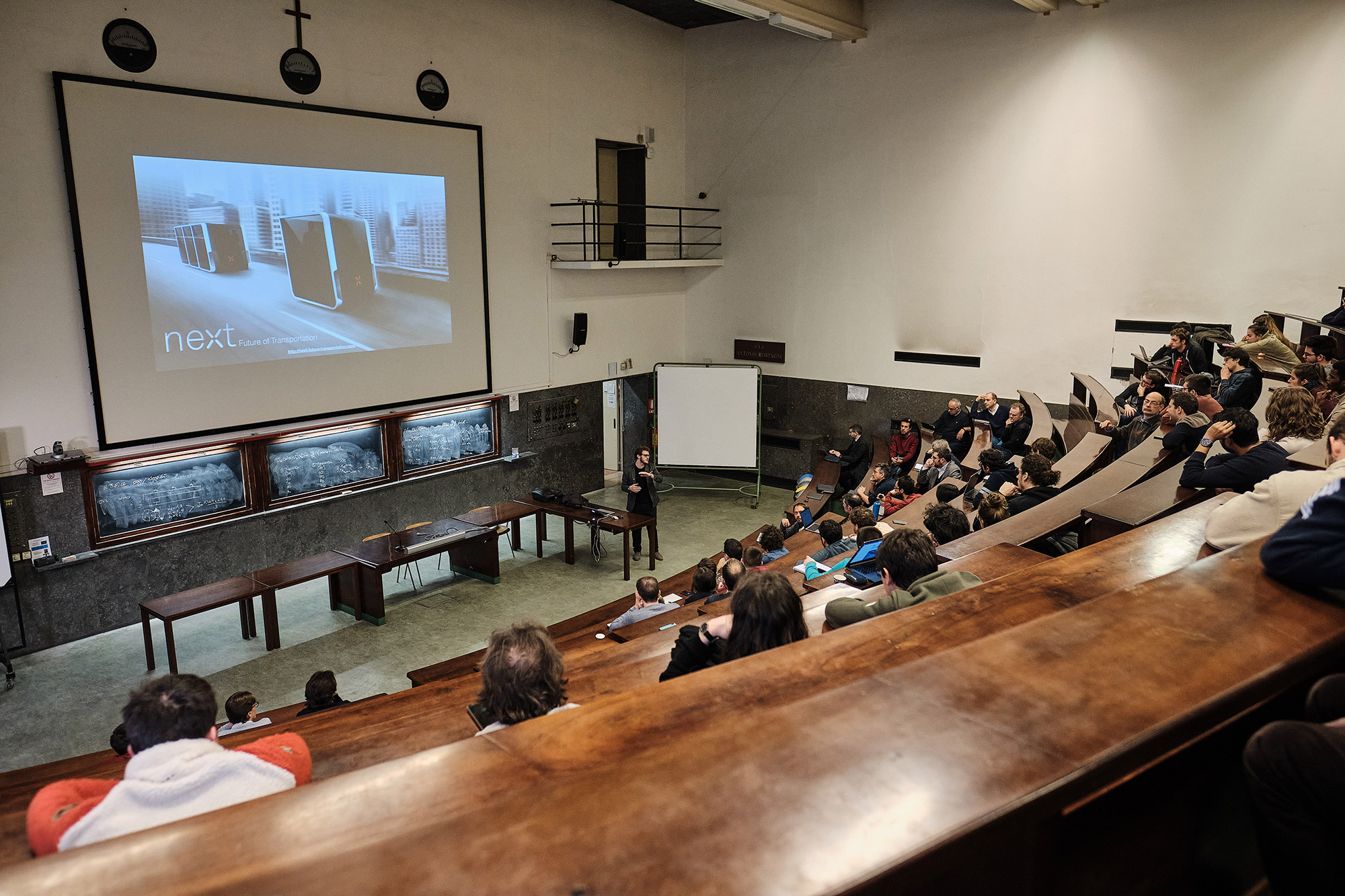
Next Future Transportation
Next Future Transportation
WHEN: Tuesday 14 January 2020 at 2.30 pm
WHERE: Aula Rostagni, Physics and Astronomy Dept.

conference speaker
Tommaso Gecchelin
Tommaso Gecchelin is a physicist and industrial designer from Padua, in Italy. He’s the founder, inventor and CTO of Next Future Transportation inc. developing modular autonomous pods. His mission is to merge science and design to create useful and elegant solutions to solve major world problems in the field of logistics and transportation, politics and decision making, environment and sustainability.
Artificial Intelligence and Big Data: a Paradigm Shift for All
Artificial Intelligence and Big Data:
a Paradigm Shift for All
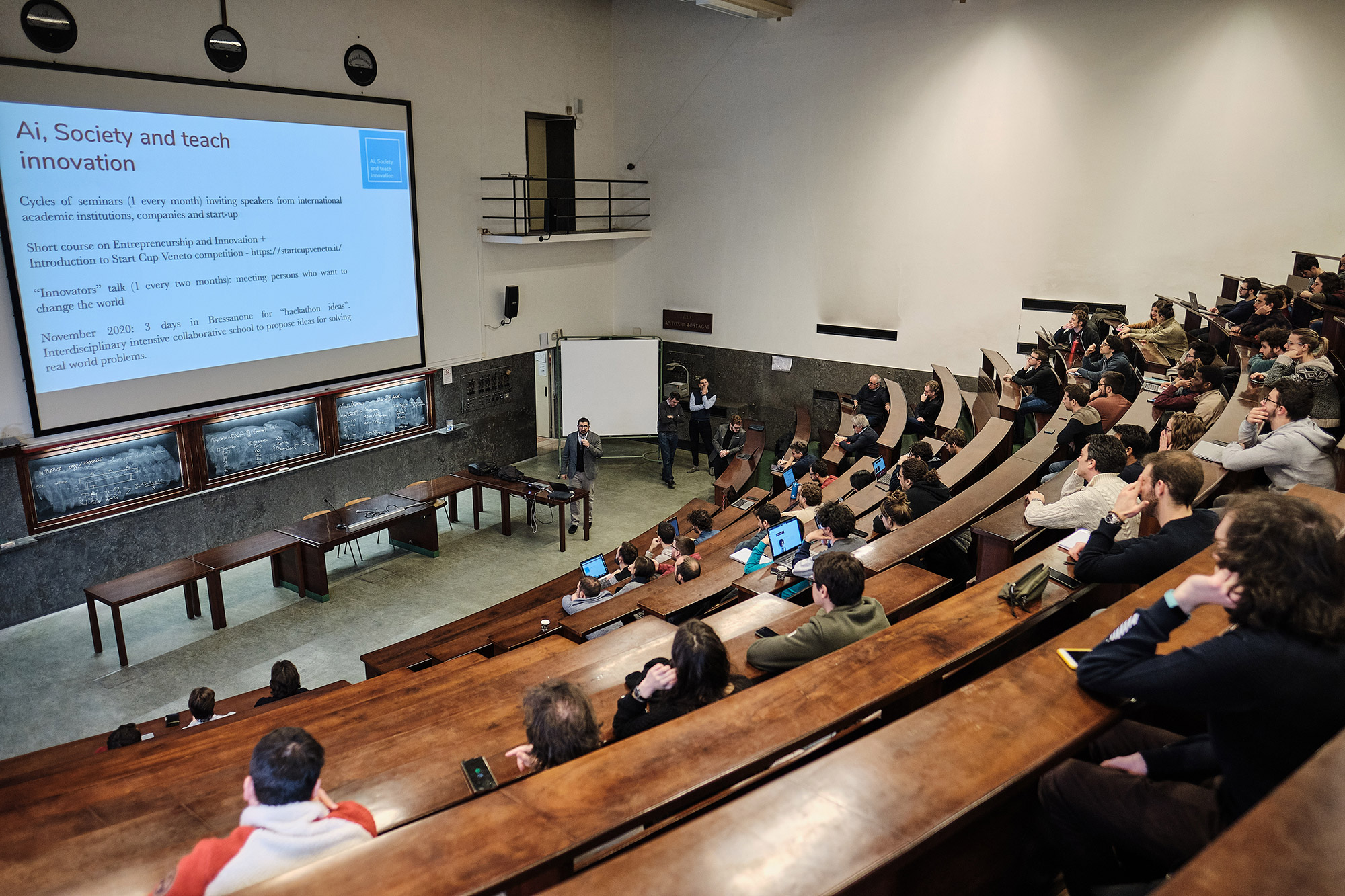
Artificial Intelligence (A.I.) was born in 1956, at a major conference in computer science during which Professors John McCarthy, Marvin Minsky, Herbert Simon, among others, compiled a list of objectives for the following years goals of the research in AI. 20 years later, most of these goals were still beyond reach. Now, most of us perform the A.I. 1956 wish list on a daily basis using our smart phone.
What has made this achievement possible? Contemporary A.I. is powered by statistical methods and fuelled by large amount of data, known as Big Data. Big data and machine learning impact on business as well as on other several aspects of society, prompting numberless and umpredictable changes in legal, economic, and cultural fields.
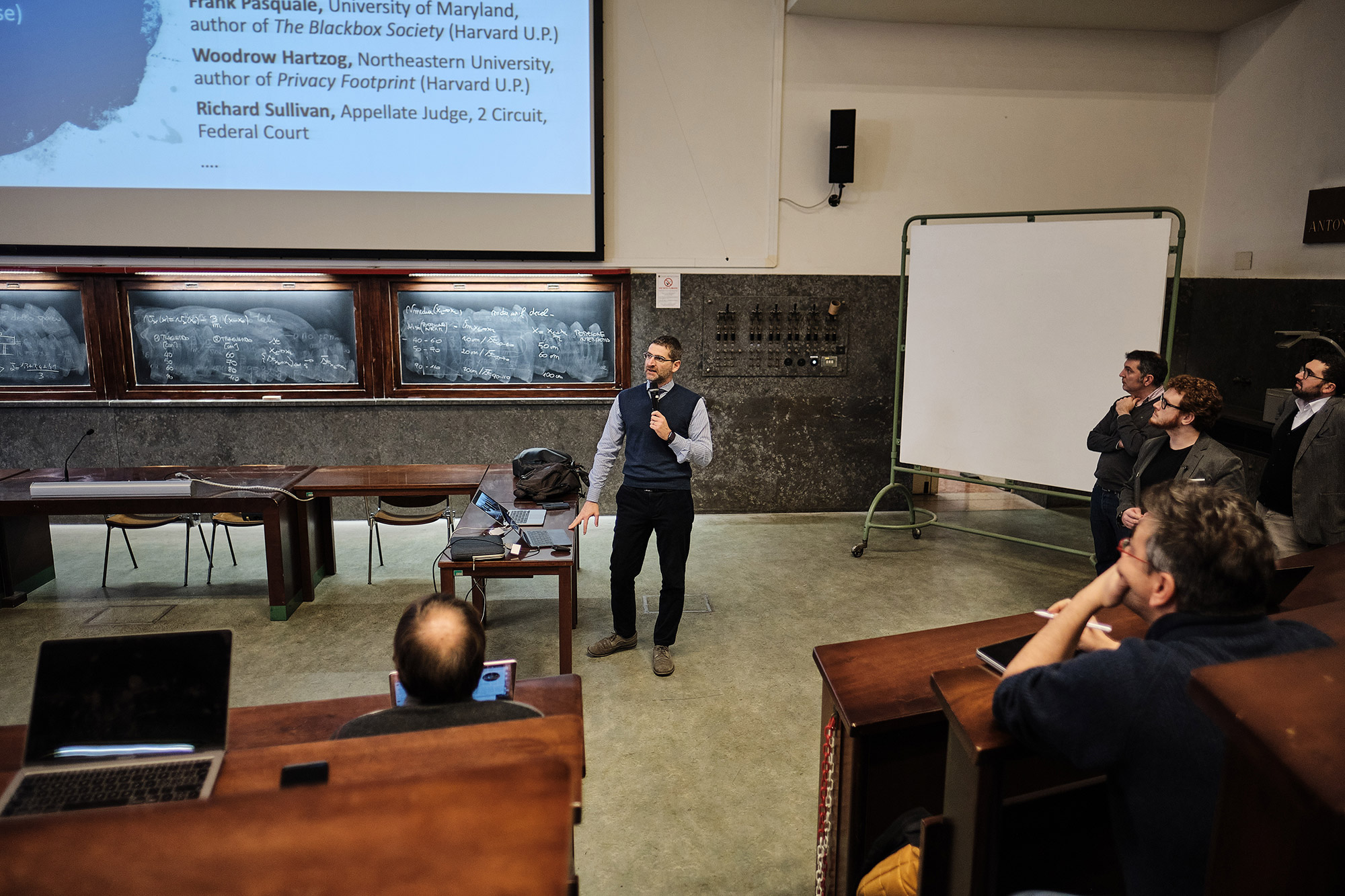
With this introductory seminar, we aim to provide an overview of the paradigm shift occurred in the field of AI and of the AI-induced radical transformations that are moving ahead at full speed, showcasing the main challenges to which the lecture series will later devote a specific focus.
Speakers: Andrea Pin and Samir Suweis